
Introduction
The past decade has witnessed a remarkable transformation in men’s fashion. What was once dominated by traditional styles and strict fashion rules has evolved into a diverse landscape where individuality, comfort, and self-expression take center stage.
From the rise of streetwear to the growing influence of social media and sustainable fashion, men’s style has become more versatile and accessible than ever before. Let’s explore how men’s fashion has changed over the last ten years and what trends have shaped the modern wardrobe.
The Early 2010s: Slim-Fit Everything
At the beginning of the decade, slim-fit clothing dominated men’s fashion.
Popular trends included:
- Skinny jeans
- Slim-fit suits
- Fitted shirts
- Minimalist sneakers
Fashion focused on clean silhouettes and tailored looks. Influenced by celebrities and fashion bloggers, men embraced more fitted styles compared to previous generations.
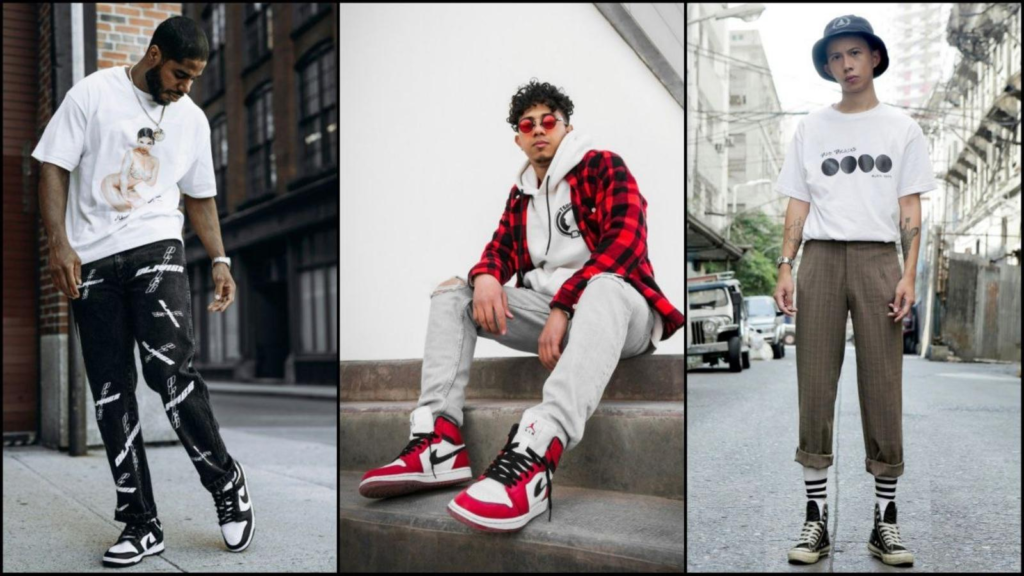
The Rise of Streetwear
Around the mid-2010s, streetwear began transforming the fashion industry.
Key elements included:
- Graphic T-shirts
- Hoodies
- Cargo pants
- Baseball caps
- Limited-edition sneakers
Streetwear blurred the lines between casual clothing and luxury fashion. What started as a niche movement became a global phenomenon, influencing major fashion houses and everyday consumers alike.
Sneaker Culture Takes Over
One of the biggest fashion developments of the decade was the explosion of sneaker culture.
Sneakers evolved from athletic footwear into fashion statements.
Popular trends included:
- Collectible sneaker releases
- Retro designs
- Chunky sneakers
- Collaborations between brands and celebrities
Today, sneakers are worn with everything from casual outfits to formal suits.
Social Media Changes Everything
Platforms like Instagram, TikTok, and Pinterest dramatically changed how men discover fashion.
Social media made style inspiration accessible to everyone by providing:
- Outfit ideas
- Fashion tutorials
- Trend forecasts
- Influencer recommendations
Instead of relying solely on magazines, men now receive fashion inspiration instantly from creators around the world.
Comfort Becomes a Priority
The late 2010s and early 2020s saw a major shift toward comfort-focused fashion.
Popular items included:
- Oversized hoodies
- Relaxed-fit trousers
- Joggers
- Athleisure wear
The emphasis moved away from restrictive clothing toward practical and comfortable outfits that still looked stylish.
The Growth of Smart Casual Fashion
As workplaces became more flexible, traditional dress codes began to relax.
Men increasingly adopted smart casual attire such as:
- Polo shirts
- Chinos
- Casual blazers
- Clean sneakers
This trend allowed men to maintain a polished appearance without the formality of a full suit.
Sustainability Enters the Conversation
Environmental awareness became an important factor in fashion purchasing decisions.
Consumers started paying more attention to:
- Sustainable materials
- Ethical manufacturing
- Second-hand fashion
- Long-lasting clothing
Many brands responded by introducing eco-friendly collections and more transparent production practices.
Breaking Traditional Fashion Rules
One of the most significant changes in men’s fashion has been the growing acceptance of personal expression.
Modern men’s fashion embraces:
- Diverse color palettes
- Unique accessories
- Experimental silhouettes
- Gender-fluid styling
Today’s fashion encourages individuality rather than strict adherence to traditional rules.
Technology and Fashion Innovation
Technology has become increasingly connected to fashion.
Recent innovations include:
- AI-powered styling tools
- Virtual fitting rooms
- Digital fashion
- Personalized shopping experiences
These technologies are making fashion more convenient and customized than ever before.
Men’s Fashion in 2026
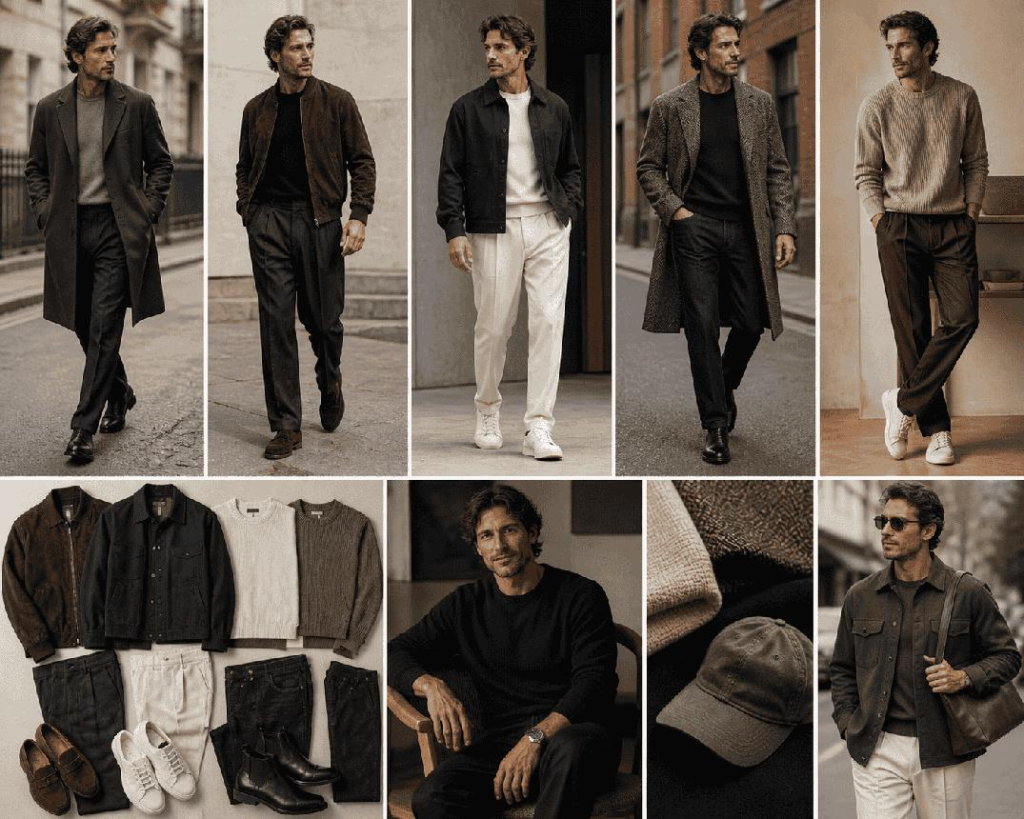
Current men’s fashion focuses on balancing comfort, style, and practicality.
Popular trends include:
- Oversized silhouettes
- Premium basics
- Utility-inspired clothing
- Minimalist aesthetics
- Sustainable fashion choices
Modern consumers prioritize versatility and quality over excessive consumption.
What the Future Holds
The future of men’s fashion is expected to be shaped by:
- Artificial Intelligence
- Digital clothing
- Sustainable manufacturing
- Personalized shopping experiences
- Greater self-expression
Fashion will likely continue moving toward customization and individuality while embracing technological innovation.
Conclusion
The evolution of men’s fashion over the last decade reflects broader cultural and technological changes. From slim-fit tailoring and sneaker culture to sustainability and digital fashion, men’s style has become more diverse and expressive than ever before.
As fashion continues to evolve, one thing remains clear: modern men’s fashion is no longer about following strict rules—it’s about wearing what feels authentic, comfortable, and confident.