
Introduction
Whether we like it or not, first impressions happen fast. Research in psychology suggests that people form opinions about others within seconds of meeting them. Before you speak a single word, your appearance—including your clothing—has already communicated a message about who you are.
From job interviews and business meetings to social events and first dates, the clothes you wear influence how people perceive your confidence, professionalism, personality, and even trustworthiness. While it’s true that character matters more than appearance in the long run, clothing plays a powerful role in shaping those critical first impressions.
The Psychology Behind First Impressions
Humans are naturally wired to make quick judgments. This ability evolved as a survival mechanism, helping our ancestors assess situations and people rapidly. Today, those same instincts influence how we evaluate others in social and professional settings.
When someone sees you for the first time, their brain immediately processes visual cues such as:
- Clothing and style
- Grooming and hygiene
- Body language
- Facial expressions
- Accessories and overall presentation
Within just a few seconds, people often form assumptions about your confidence, competence, social status, and attention to detail.
Clothing Is a Form of Non-Verbal Communication
Your clothes tell a story before you speak.
A tailored blazer may signal professionalism and authority. A well-fitted casual outfit can communicate confidence and approachability. On the other hand, wrinkled or poorly chosen clothing may unintentionally suggest carelessness or lack of preparation.
Fashion serves as a visual language that helps people understand:
- Your personal style
- Your values
- Your lifestyle
- Your level of professionalism
- Your attention to detail
Every outfit sends a message, whether intentional or not.
Why the First 7 Seconds Matter
The first few seconds of an interaction often set the tone for everything that follows. Once people form an initial opinion, they tend to look for information that confirms that impression.
This means that a positive first impression can:
- Increase trust
- Improve professional opportunities
- Enhance social interactions
- Build credibility faster
- Create a lasting positive image
While first impressions can change over time, making a strong initial impact gives you a significant advantage.
The Confidence Connection
Interestingly, clothing doesn’t just affect how others see you—it also affects how you see yourself.
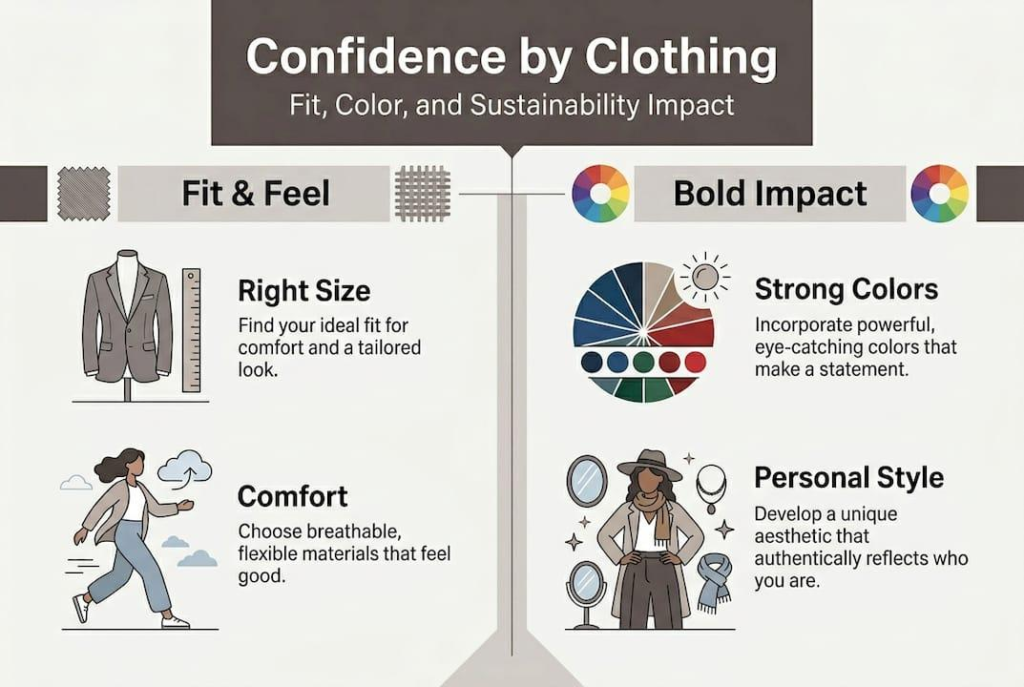
When you wear clothes that fit well and reflect your personality, you often feel:
- More confident
- More productive
- More motivated
- More self-assured
This phenomenon, often called “enclothed cognition,” suggests that clothing can influence behavior, performance, and mindset.
In other words, dressing well isn’t about impressing others alone; it’s also about empowering yourself.
Dressing for Different Situations
Not every situation requires formal attire. The key is dressing appropriately for the environment while staying authentic to your personal style.
Professional Settings
Choose clean, well-fitted clothing that reflects competence and professionalism.
Social Events
Wear outfits that showcase your personality while maintaining a polished appearance.
Casual Outings
Comfort and style should work together. Even simple outfits can look refined when properly coordinated.
Online Meetings
Although virtual interactions are common, appearance still matters. A neat and professional look can influence how colleagues and clients perceive you.
Common Clothing Mistakes That Create Negative Impressions
Avoid these common style mistakes:
- Wearing wrinkled clothing
- Poorly fitted outfits
- Dirty or damaged shoes
- Excessive branding or graphics
- Ignoring grooming and personal hygiene
- Dressing inappropriately for the occasion
Small details often have a big impact on how people perceive you.
Final Thoughts
People may say, “Don’t judge a book by its cover,” but human psychology often works differently. In the first seven seconds of meeting someone, appearance becomes one of the strongest factors influencing perception.
The good news is that you don’t need expensive designer clothing to make a great impression. Clean, well-fitted, and thoughtfully chosen outfits can communicate confidence, professionalism, and authenticity.
Your clothes are more than fabric—they are one of the most powerful tools you have for expressing who you are before you even say a word.
Because sometimes, the first impression isn’t just important—it opens the door to every opportunity that follows.