
Introduction
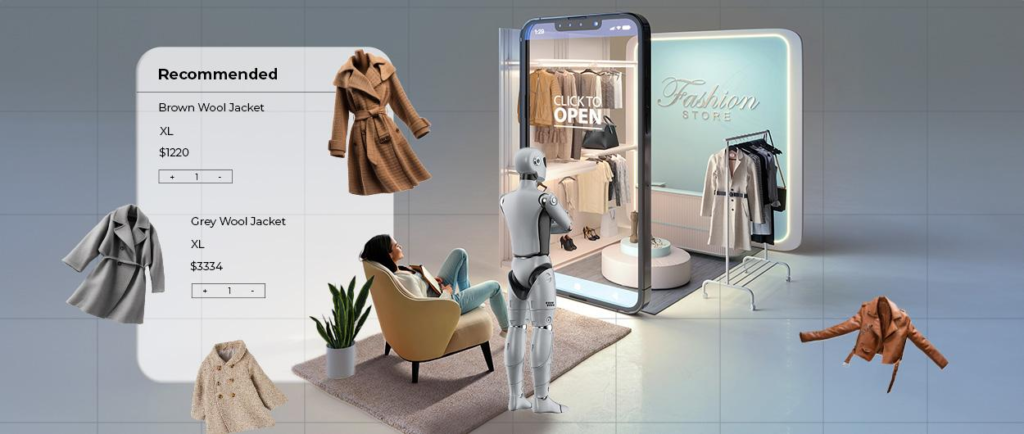
Artificial Intelligence (AI) is revolutionizing industries around the world, and fashion is no exception. From designing clothing and predicting trends to personalizing shopping experiences and optimizing supply chains, AI is changing how fashion brands operate and connect with consumers.
As technology continues to advance, AI is helping fashion companies become more efficient, creative, and customer-focused. What once seemed like science fiction is now becoming a reality, shaping the future of fashion in exciting ways.
AI-Powered Fashion Design
Traditionally, fashion design relied heavily on human creativity and market research. Today, AI can analyze vast amounts of data, including consumer preferences, social media trends, and purchasing behavior, to help designers create products that customers are more likely to buy.
AI tools can:
- Generate unique design concepts
- Suggest color combinations
- Predict popular styles
- Speed up the design process
This allows designers to focus more on creativity while reducing the time needed to develop new collections.
Trend Forecasting Made Smarter
Fashion trends can change rapidly, making it difficult for brands to keep up. AI helps companies predict upcoming trends by analyzing data from social media platforms, online searches, fashion blogs, and customer behavior.
Benefits include:
- Better inventory planning
- Reduced overproduction
- Faster response to market demands
- Increased sales opportunities
Brands can now identify emerging trends before they become mainstream.
Personalized Shopping Experiences
Consumers increasingly expect personalized experiences when shopping online. AI-powered recommendation systems analyze browsing history, previous purchases, and personal preferences to suggest products that match a shopper’s style.
Examples include:
- Personalized outfit recommendations
- Smart product suggestions
- Customized shopping experiences
- AI-powered fashion assistants
This level of personalization improves customer satisfaction and increases conversion rates.
Virtual Try-Ons and Smart Fitting Rooms
One of the biggest challenges of online shopping is uncertainty about fit and appearance. AI is solving this problem through virtual try-on technology.
Using augmented reality and AI, customers can:
- See how clothes look on them
- Experiment with different styles
- Find the correct size
- Reduce return rates
Virtual fitting rooms are becoming increasingly common among leading fashion retailers.
AI in Inventory and Supply Chain Management
Fashion brands often struggle with inventory management. Too much stock leads to waste, while too little results in missed sales opportunities.
AI helps by:
- Forecasting demand accurately
- Managing inventory levels
- Optimizing production schedules
- Improving supply chain efficiency
This reduces costs and supports more sustainable business practices.
Sustainable Fashion Through AI
Sustainability has become a major priority in the fashion industry. AI helps brands minimize waste by predicting consumer demand more accurately and reducing excess production.
AI contributes to sustainability by:
- Reducing overproduction
- Improving resource management
- Optimizing transportation routes
- Supporting eco-friendly manufacturing
As a result, companies can lower their environmental impact while maintaining profitability.
AI-Generated Fashion Content
Marketing is another area being transformed by AI. Brands now use AI tools to create:
- Product descriptions
- Advertising copy
- Social media content
- Promotional visuals
This allows businesses to produce content faster while maintaining consistency across platforms.
The Future of AI in Fashion
The role of AI in fashion is expected to grow significantly in the coming years. Future innovations may include:
- Fully AI-generated fashion collections
- Advanced virtual shopping experiences
- Smart wardrobes with AI styling recommendations
- Hyper-personalized fashion products
As technology continues to evolve, AI will become an even more essential part of the fashion ecosystem.
Conclusion
Artificial Intelligence is transforming the fashion industry from design and manufacturing to marketing and customer experience. By helping brands predict trends, personalize shopping, improve sustainability, and streamline operations, AI is creating a smarter and more efficient fashion landscape.
The future of fashion lies at the intersection of creativity and technology, and AI is leading the way toward a more innovative and customer-centric industry.