
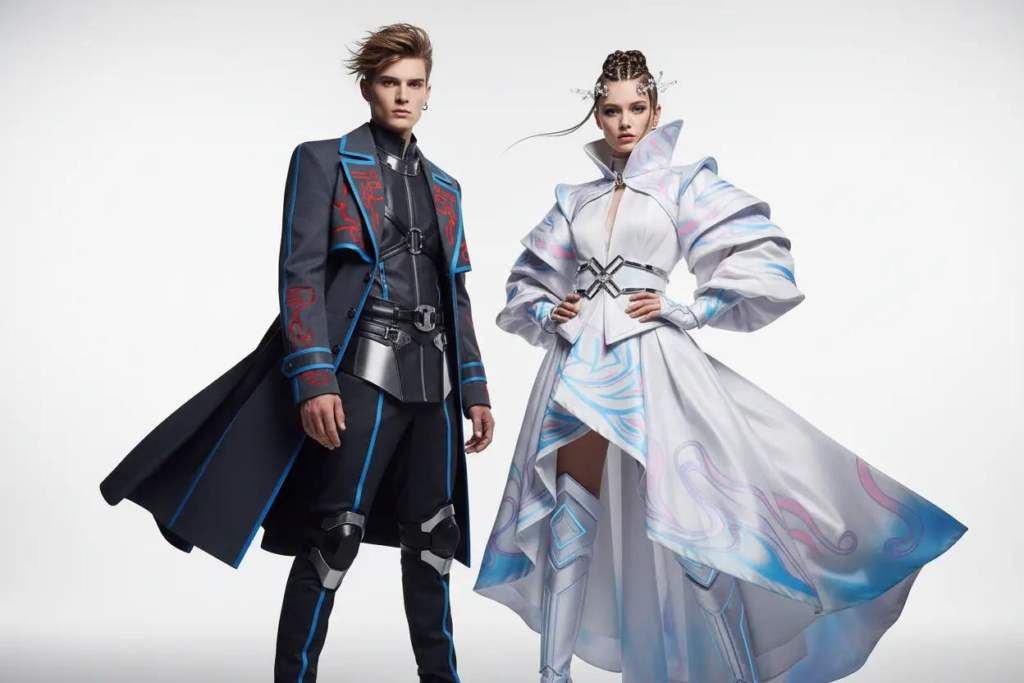
Introduction
Fashion has always evolved alongside technology, but a new revolution is taking shape in the digital world. Virtual fashion and digital clothing are redefining how people express themselves, offering innovative ways to wear, showcase, and even purchase fashion without producing physical garments.
As social media, gaming, virtual reality, and artificial intelligence continue to grow, digital fashion is becoming more than a trend—it is shaping the future of personal style. From virtual outfits for social media posts to clothing designed for avatars in virtual worlds, the fashion industry is entering an exciting new era.
What Is Virtual Fashion?
Virtual fashion refers to clothing that exists only in digital form. Unlike traditional garments, digital clothing is created using 3D design software and can be worn virtually through photos, videos, gaming platforms, and virtual environments.
These garments can include:
- Digital dresses and jackets
- Virtual sneakers and accessories
- Avatar outfits for gaming
- Fashion items for virtual worlds and social media
Users can purchase digital clothing and apply it to their images or digital avatars without ever owning a physical version.
Why Digital Clothing Is Gaining Popularity
Several factors are driving the growth of virtual fashion:
1. Social Media Culture
Many consumers buy outfits primarily for photos and social media content. Digital fashion allows users to wear unique, eye-catching designs without purchasing physical clothing.
Benefits include:
- Unlimited creativity
- No physical storage needed
- Lower environmental impact
- Unique online identity
2. Growth of Virtual Worlds
Virtual environments and online gaming have created demand for avatar customization. People increasingly want their digital identities to reflect their personal style.
Digital clothing allows users to express themselves in:
- Virtual reality platforms
- Online games
- Metaverse experiences
- Social networking spaces
Sustainability Benefits
One of the biggest advantages of digital fashion is sustainability. Traditional fashion production requires significant resources, including water, energy, and raw materials.
Digital clothing can help reduce:
- Textile waste
- Overproduction
- Carbon emissions
- Unsold inventory
By replacing some fashion purchases with virtual alternatives, the industry may reduce its environmental footprint.
How AI and Technology Are Driving Innovation
Artificial Intelligence and 3D design tools are making digital fashion more accessible than ever.
Modern technologies allow brands to:
- Create realistic virtual garments
- Generate custom designs
- Offer virtual fitting experiences
- Personalize fashion recommendations
AI-powered systems can even design clothing based on customer preferences, making fashion more interactive and personalized.
Digital Fashion in E-Commerce
Online shopping is becoming more immersive through virtual fashion technology.
Retailers now offer:
- Virtual try-ons
- Augmented reality fitting rooms
- AI styling assistants
- Interactive shopping experiences
Customers can visualize how clothing will look before making a purchase, increasing confidence and reducing return rates.
Opportunities for Fashion Brands
Fashion brands are exploring digital collections as new revenue streams.
Benefits for brands include:
- Lower production costs
- Faster product launches
- Global accessibility
- Increased customer engagement
Digital-only collections also allow designers to experiment with creative concepts that may be impossible to produce physically.
Challenges Facing Digital Fashion
Despite its potential, virtual fashion still faces challenges.
Some barriers include:
- Limited consumer awareness
- Technology adoption costs
- Questions about ownership and value
- Need for improved digital infrastructure
As technology becomes more accessible, these challenges are expected to decrease over time.
The Future of Style
Experts believe that physical and digital fashion will coexist rather than compete. Consumers may own both traditional clothing and digital wardrobes designed for online experiences.
Future developments could include:
- Fully customizable AI-designed outfits
- Real-time virtual styling assistants
- Smart digital wardrobes
- Seamless integration between physical and digital fashion
Fashion will become more personalized, interactive, and technology-driven than ever before.
Conclusion
Virtual fashion and digital clothing are transforming how people think about style, self-expression, and consumption. As technology continues to evolve, digital garments are becoming an important part of the fashion ecosystem.
Whether through social media, gaming, virtual reality, or online shopping, digital fashion offers exciting opportunities for consumers and brands alike. The future of style is no longer limited to what we wear in the physical world—it is expanding into the digital universe.